






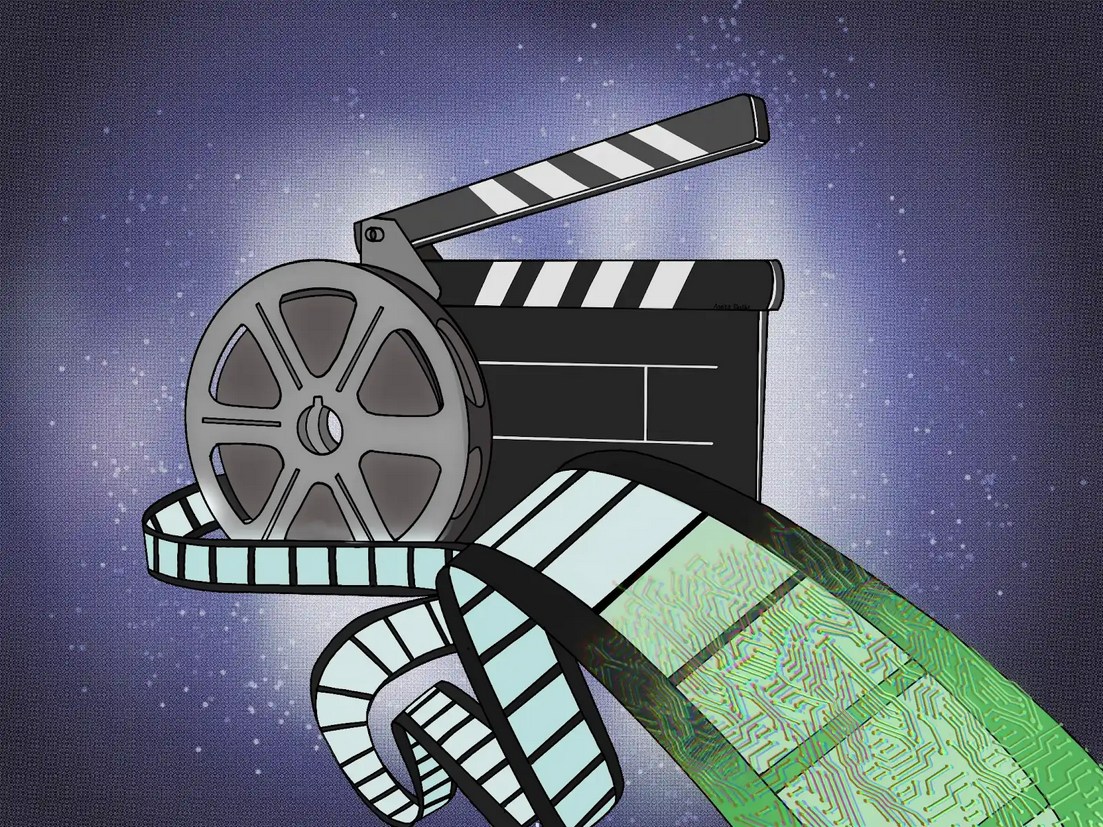
Videography, which once required creativity, planning, and resources, now takes just a simple prompt and a couple of minutes to create. Filmmaking has evolved dramatically over the past century, but the emergence of Artificial Intelligence and the democratization of the new filmmaking process have spread artificial videos to social media, news, and campaigns. With the curiosity of an ever-increasing audience, the use of AI to create videos has had significant consequences. While AI filmmaking is powerful in its potential for creativity, it needs to be controlled because of privacy risks and a lack of education and creativity.
While the efficiency of AI Filmmaking allows it to be more effective than humans in some key tasks, it can only be trained on achieving a singular goal (namely, higher views or ratings), which results in a lack of creativity. For instance, platforms such as Sora 2 and Runway Gen-4 can create videos based on a simple prompt, just like one that could be given to humans, except with quicker speed and lower costs, according to the article “How AI Video Generators Are Disrupting Content Creation in 2025-26”. This highlights how AI has the potential to replace humans as companies create new products to gain a foothold in the AI filmmaking industry.
However, as humans get displaced, so does creativity and uniqueness. This creates a loop as AI models try to imitate creativity from a dataset of human creativity. As fewer people engage in creativity because of the advent of AI, human artists and creators start to get disillusioned. This monetary focus of many organizations and individuals may lead to a decrease in innovation and a shift in human attitudes as these AI models are valued more than human creativity.
Moreover, AI videos pose serious threats to privacy and accountability, as they can be used for misinformation or misrepresentation while their creators stay anonymous. Unauthorized use could range from harmless jokes to defamation of people. An extreme, yet concerning example of this is the Hong Kong-based company Arup, which lost $35 million when scammers impersonated the CEO’s voice, as per the article “’$35 million gone in one call’: Deepfake fraud rings are fooling the world’s smartest firms” by Business Times. While people causing these insidious activities hide behind their computer screens, the true victims of these scams are left to bear the costs of misinformation. Going beyond the monetary impact of AI videography, it also extends to identity theft and defamation, as AI tools can be used to portray people and their thoughts in a way that is harmful to them and their audience.
Finally, these dangers posed by AI videos intensify as people are unable to discern between reality, threatening transparency and trust. This is highlighted by the fact that only 28.6% of people can differentiate between AI-generated and human-created content; at the same time, 88% of people believe that AI content is going to spread, according to the research study AI-Generated Media & Public Trust: A Comprehensive Analysis of Perception, Acceptance, & Sentiment Trends. These statistics highlight the importance of information literacy, as AI can sway public opinion and alter facts based on a creator’s will. The eroding public trust shows that current safeguards may not be enough, and there is a tug of war between enforcing agencies and AI videography, as seen by how social media companies are trying to manage and reduce the misuse of AI videos on their platforms. Ultimately, people must be willing to learn about the new threats that AI poses rather than relying on someone else to safeguard them.
While AI videos are evolving, they also necessitate human creativity and policy regulation to evolve, too. Even though it is easy to view AI passively, one must realize that the thin line between reality and artificiality may soon be invisible, prompting not only proactiveness but a human touch of creativity.